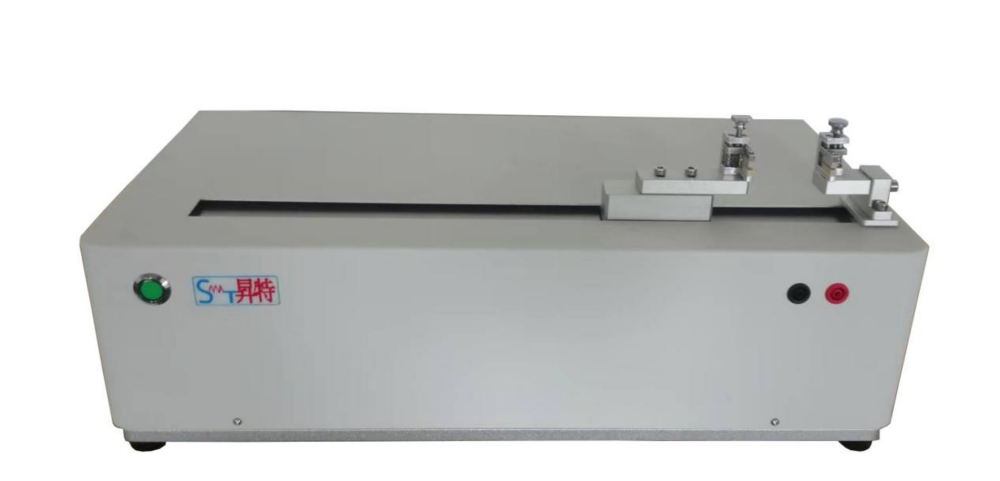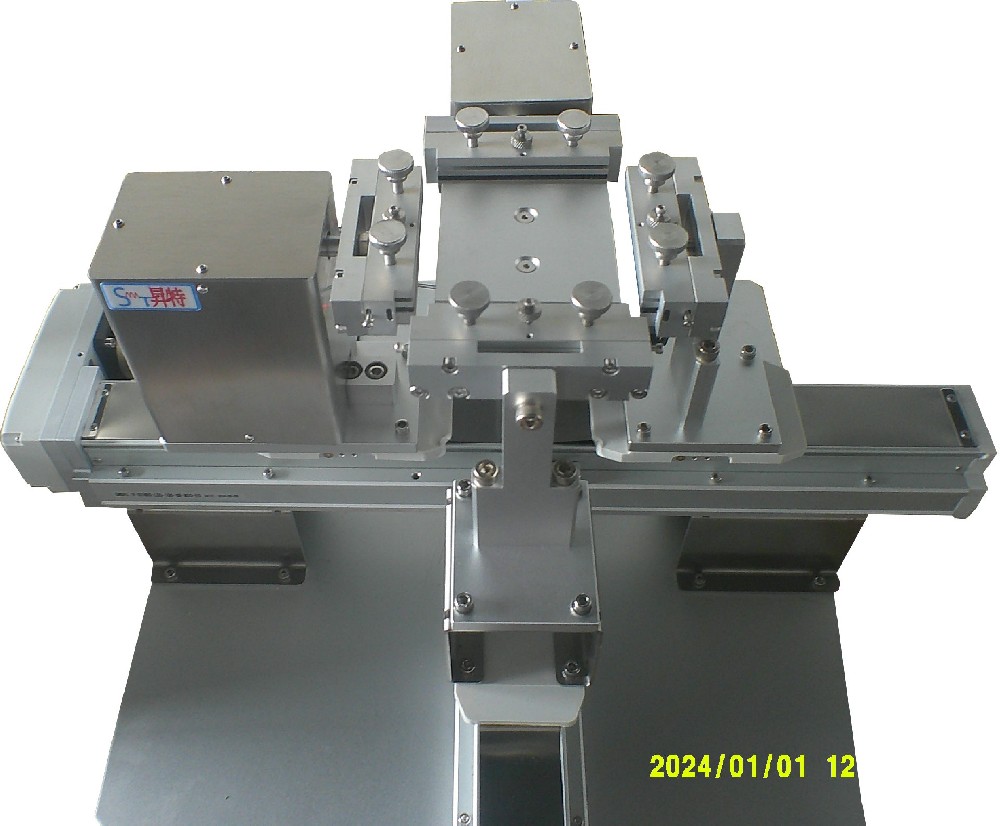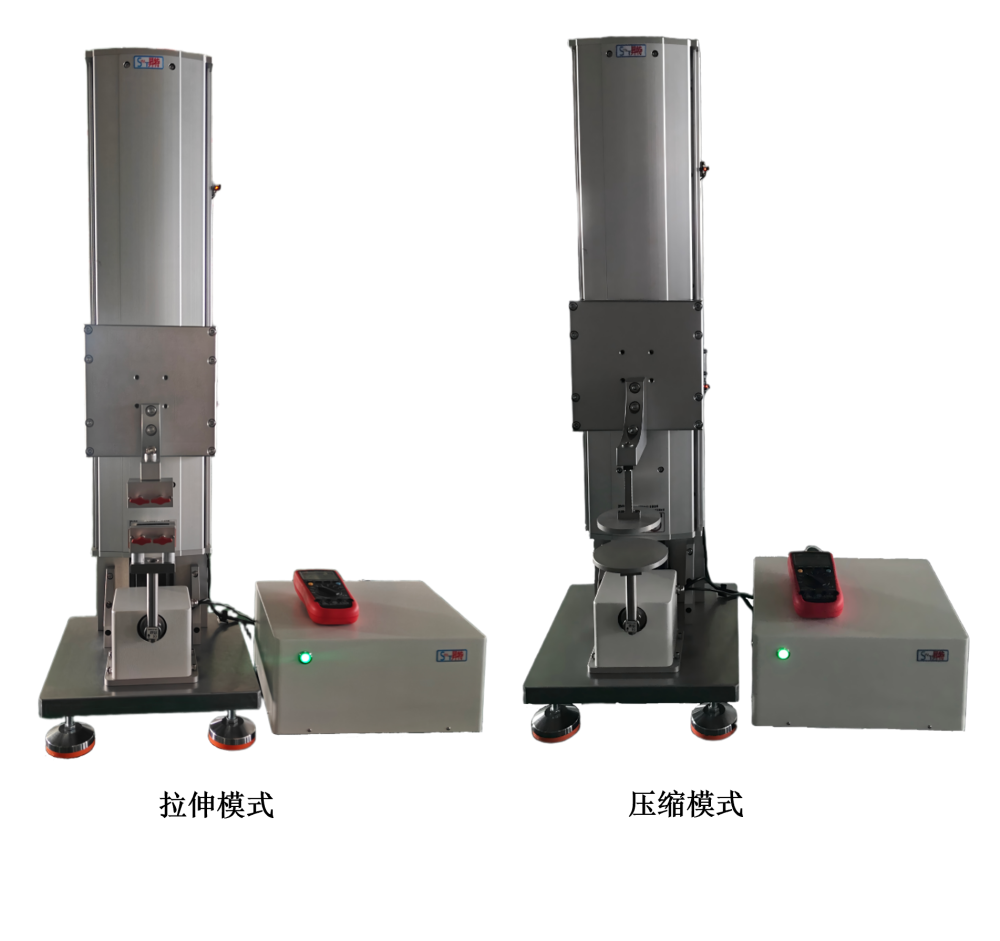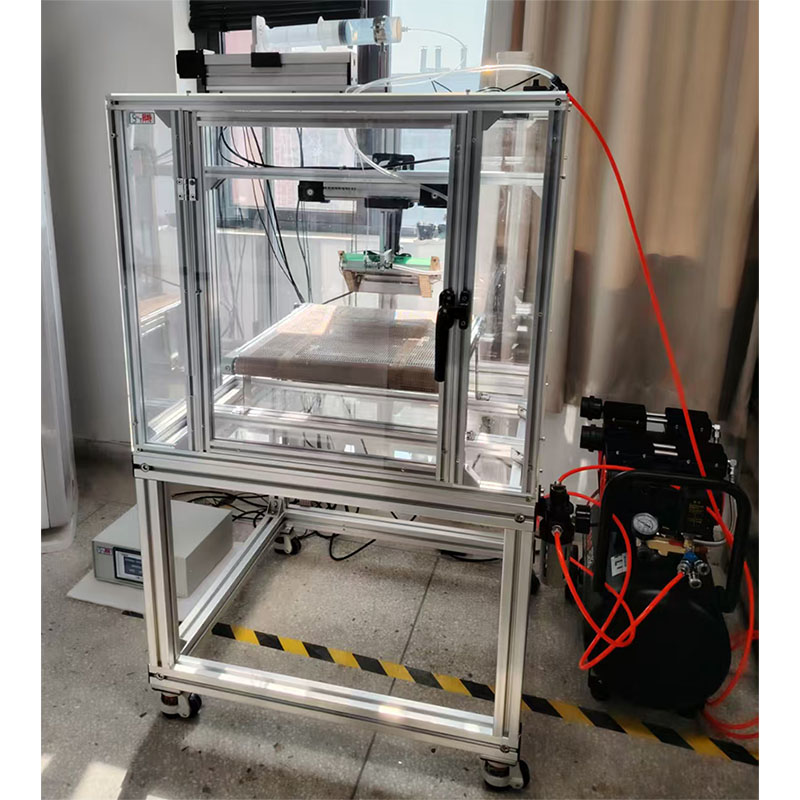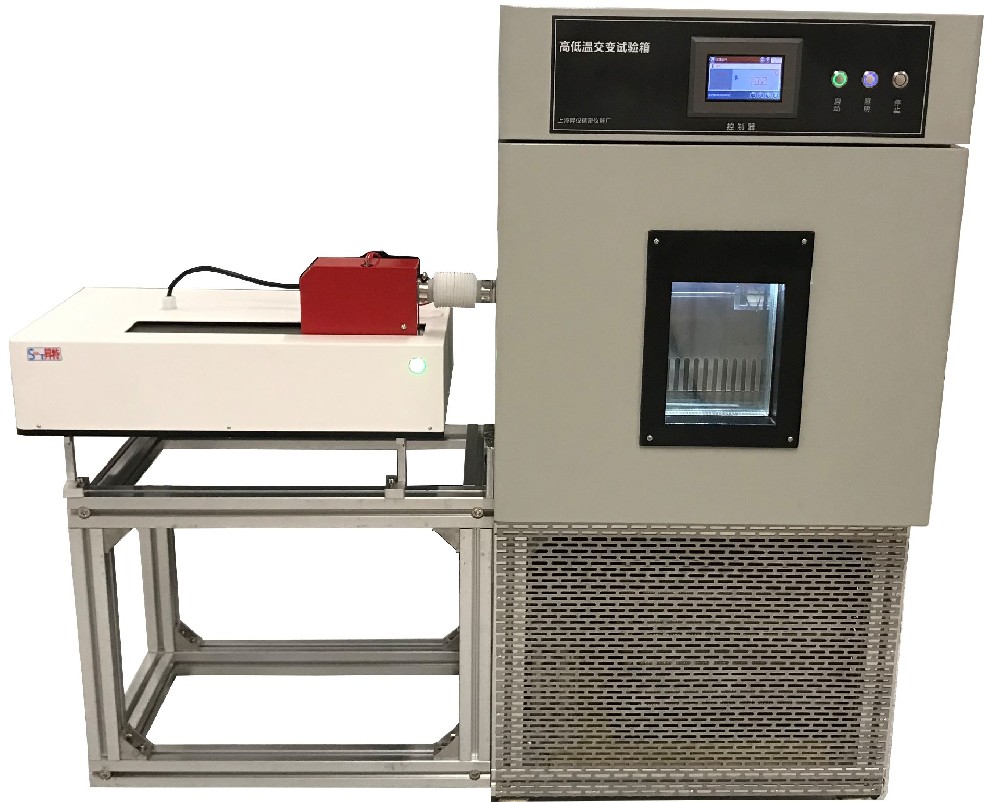

The micro-nano single fiber mechanical tester is used to measure the mechanical properties (modulus, work of fracture, and elongation at break, etc.) and appearance (material morphology, fracture morphology, and fracture process, etc.) of fabrics (i.e., fabric testers), membrane materials, etc., under different test parameters (e.g., tensile speed, gauge length). The fabric tester characterizes the material properties through the measurement of these parameters, providing guidance and reference indicators for material application and trade.
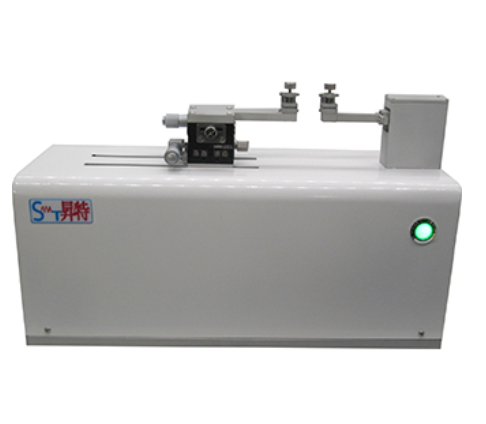
Based on the magnitude of the material's fracture force, the measuring instruments are divided into: micro-force tensile devices, such as instruments used to measure quasi-nanoscale fibers; general-force tensile devices, such as single fiber force testers; and high-strength tensile devices.
The micro-nano single fiber mechanical tester is generally controlled by a microcontroller. The instrument can also be connected to a computer, which allows for extended functions. Once connected to a computer, it can record the entire testing process in the form of data and curves, store the measured data for a long time, and facilitate networked management.
Depending on the materials, different fabric testers can be selected, along with various grips, digital observation systems, tensile speeds, and precision. Suitable instruments can also be chosen based on the data of different collection force values.
Single-fiber yarn is composed of a single fiber, while multi-fiber yarn is made of multiple fibers twisted together. The fiber structure and properties determine and influence the properties and uses of yarns and fabrics, and the tensile, bending, and torsional properties of the single fibers are the basis for designing and evaluating textile materials.The basic physical and mechanical properties of Z directly affect the hand feel, drape, and application range of fabrics and garments, and also serve as the foundation for studying other properties.
For the characterization of single fiber bending performance, factors such as low force sensitivity during measurement, complex changes in bending morphology, and difficulty in controlling the gripping points restrict the effectiveness and reliability of the measurement.