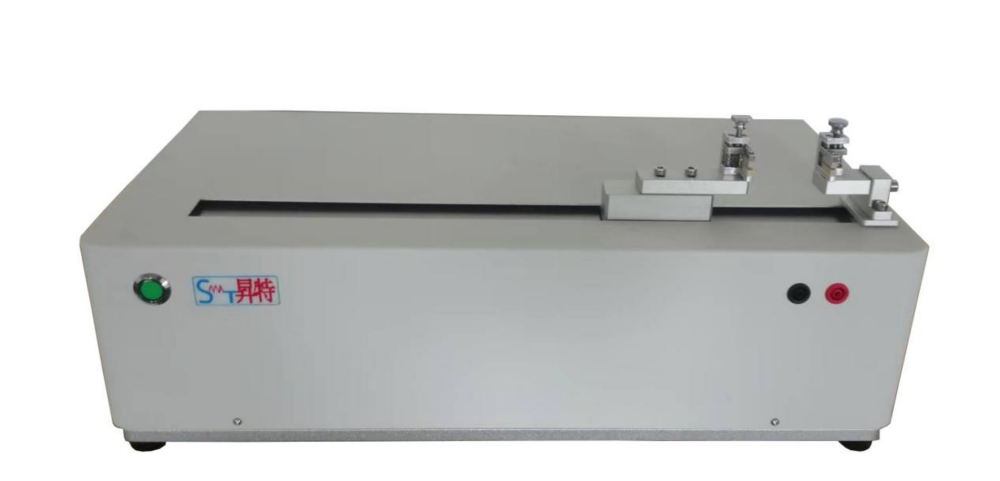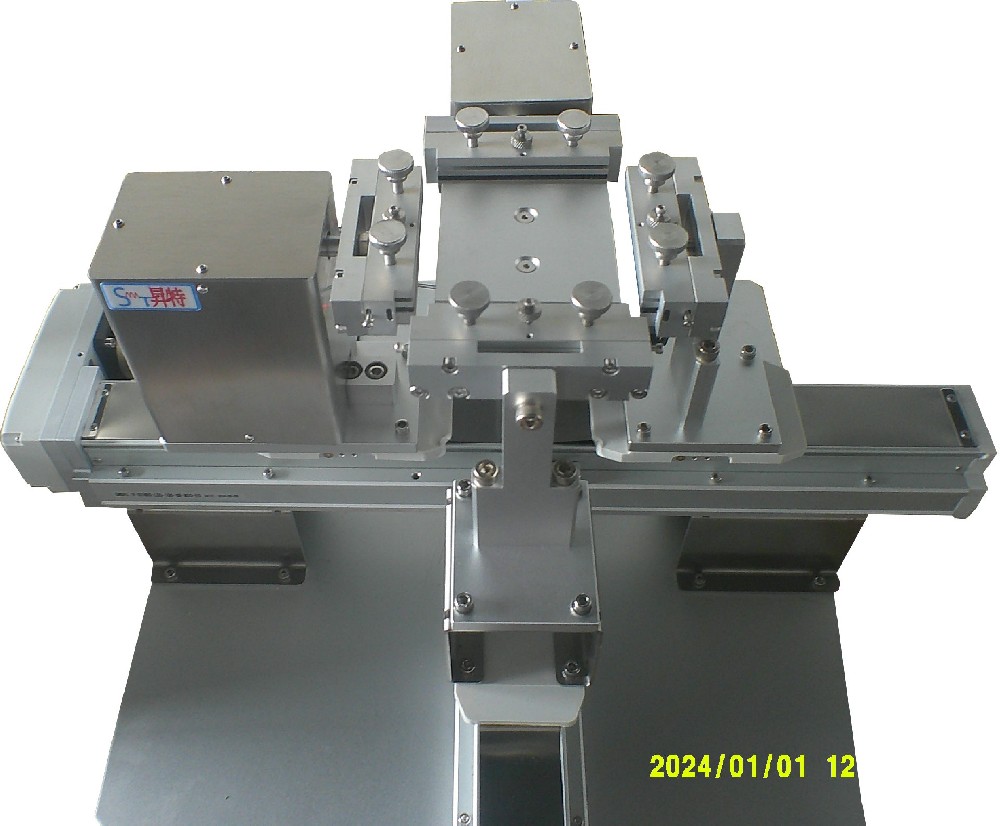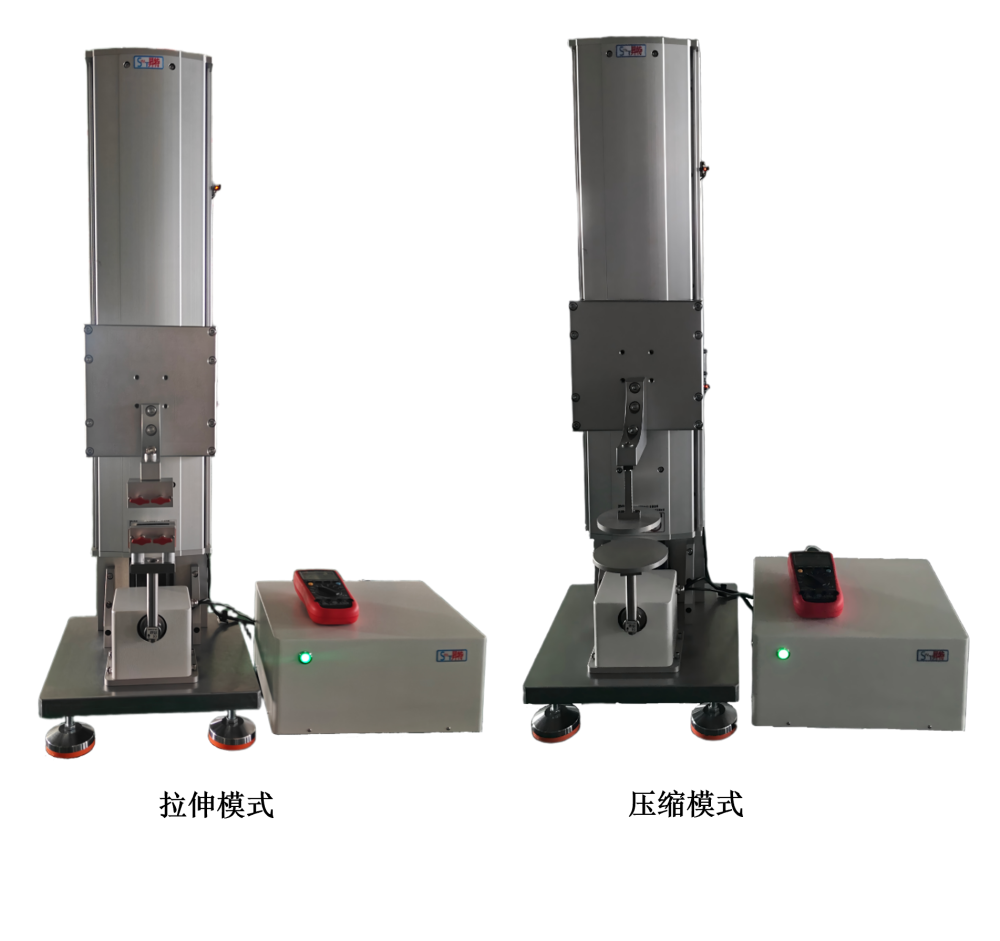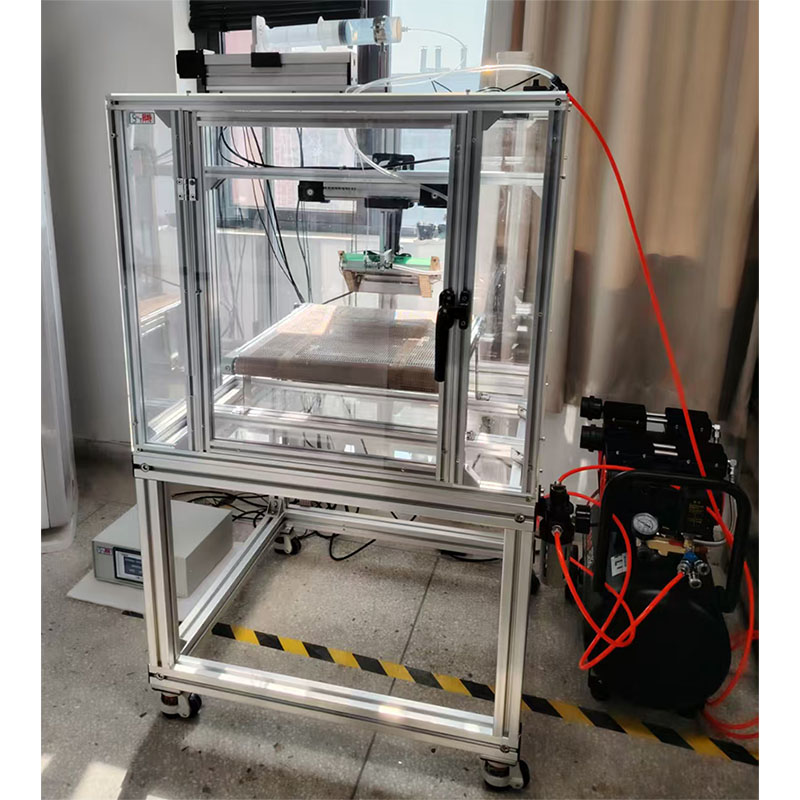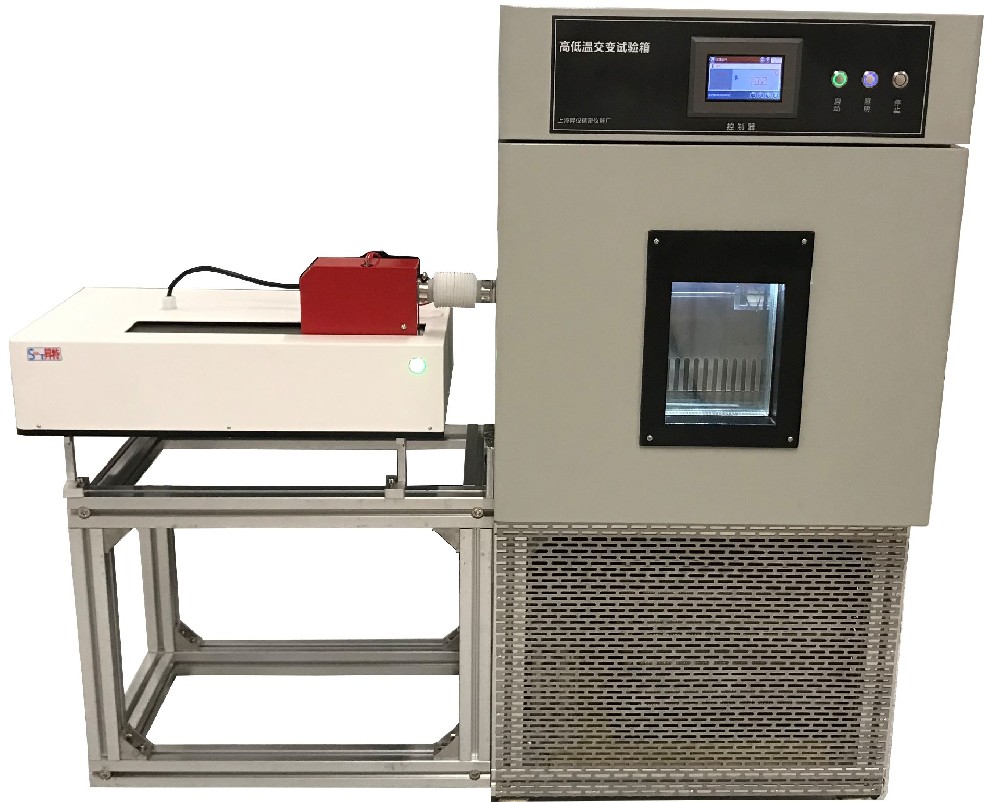

Micro-nano single fiber mechanical testing is used to measure the mechanical properties of micro-nano single fibers. Equipped with a proprietary sample preparation platform, it addresses the challenge of sample preparation for micro-nano single fibers. So, what is its role in practical applications? Let's take a look together.
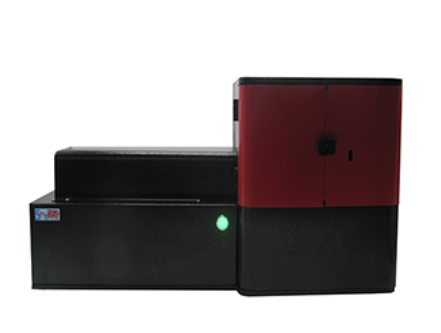
1. Nanofiber tensile testing
Uniaxial tensile testing is the most common method for quantitative mechanical analysis of nanofibers. Pt-EBID is used to fix the two ends of the nanofiber on the FT-S micro-force sensing probe and the sample holder, respectively, and then stretched until it breaks. The average yield/ultimate tensile strength of the hybrid nanofiber is calculated to be 375 MPa/706 MPa from the stress-strain curve, while the average yield/ultimate tensile strength of the gold nanofiber is 451 MPa/741 MPa.
II. Thermomechanical creep test of metallic glass nanowires
Metallic glasses have garnered increasing attention due to their unique mechanical properties, such as high elastic limit and high fracture toughness. Furthermore, their wide supercooled liquid region enables material processing techniques such as superplastic forming. Therefore, it is crucial to quantitatively study the thermomechanical behavior of metallic glasses. The right figure shows research on the superplastic properties of metallic glasses. Metallic glass nanowires were fixed between the FT-S micro-force sensing probe and the sample stage using Pt-based electron beam deposition. During creep testing (applying a fixed tensile force to measure the deformation of the sample), nanomechanical testing employed electrical heating to control the temperature of the nanowires. This allowed for testing of the thermomechanical creep properties of the nanowires at different temperatures.
Quantitative testing of various mechanical properties of individual nanofibers requires highly versatile instruments. Such equipment must be capable of nanorobot sample preparation and mechanical testing. Moreover, due to the small axial deformation (elongation) of nanofibers, high displacement resolution and excellent positional stability (with minimal positional drift) are crucial for precise absolute measurements.