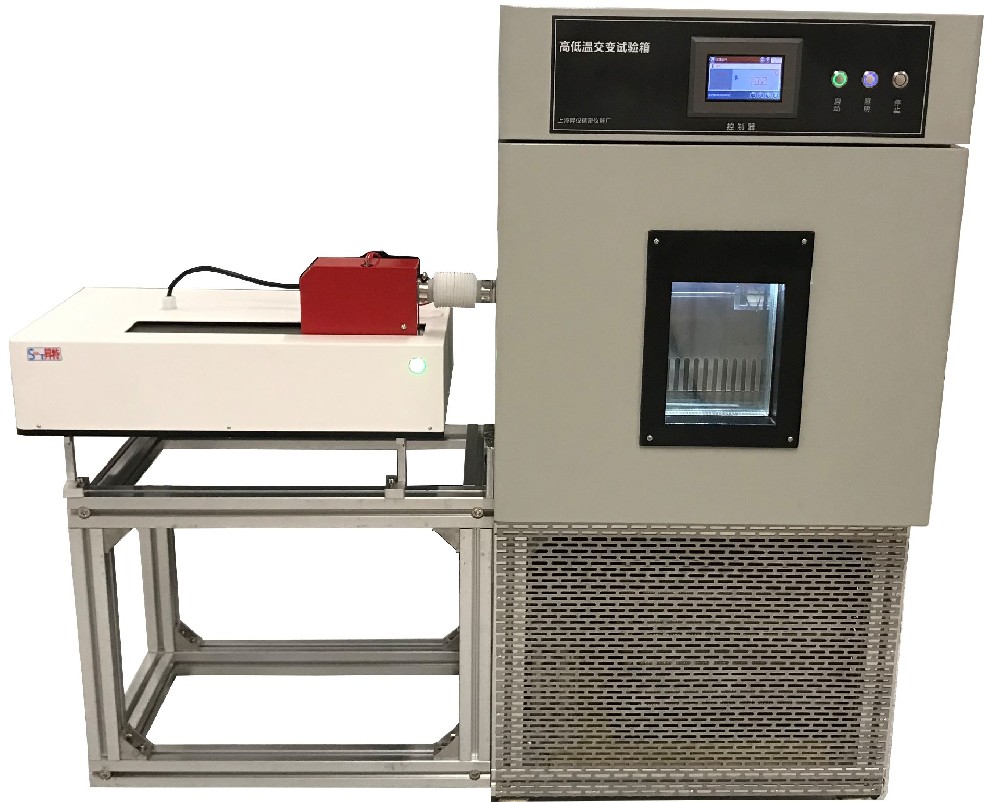

How can yarn abrasion resistance be improved? The abrasion resistance of yarn is closely related to its structure. Different spinning methods result in different ways of fiber winding and varying degrees of inter-fiber cohesion, which in turn lead to differences in abrasion resistance.
In traditional ring-spun yarn, since the fibers mostly take a helical shape, when they are subjected to reverse friction, the helical fibers gradually turn into axial fibers, causing the yarn to easily lose its twist and disintegrate, leading to rapid breakage and poor abrasion resistance.How can the abrasion resistance of yarn be improved? The abrasion resistance of yarn is closely related to its structure. Different spinning methods result in different fiber winding patterns within the yarn, and variations in the cohesion force between fibers also lead to differences in abrasion resistance.
Non-traditional spinning has obvious advantages in terms of wear resistance. Rotor yarn, air-jet yarn, and vortex yarn are all composed of two parts: a yarn core and an outer wrapping fiber. The yarn surface is covered with irregularly wrapped fibers, making the yarn resistant to disintegration. Meanwhile, the yarn surface has a high coefficient of friction, ensuring good interlocking between yarns in the fabric and preventing relative slippage, thereby improving wear resistance.
Compared to ring-spun yarn, compact-spun yarn has neatly and straightly arranged fibers, a compact yarn structure, and fibers that are not easily detached, thus providing excellent abrasion resistance.
Characteristics of emulsified wax for yarn:
1. Its smoothness and softness can protect the sericin, reduce the friction coefficient of the warp, and decrease the yarn breakage rate.
2. It has excellent tear resistance and anti-static properties.
3. It uses a ringnon-ionic emulsifier, meeting the requirements of export orders.
4It does not cause pollution to dyed or bleached fabrics, has good compatibility with other dyeing auxiliaries, and can also be used as a napping lubricant.
The yarn emulsifying wax has good compatibility with other auxiliaries and can be used in the same bath with various cationic and anionic auxiliaries, as well as organic silicone softeners and smoothing agents, without causing antagonistic precipitation, and shows excellent effects when compounded; it is resistant to high temperatures and does not cause the fabric to yellow. Especially for special white products processed with cellulosic fibers, it can be used in the same bath with optical brighteners without affecting the whiteness of the fabric at all. The yarn emulsifying wax can effectively protect the strength of cellulosic fibers,improve the tear strength of the fabric, and increase the abrasion resistance during finishing.force, improve the tear strength of the fabricforce, increase the abrasion resistance finishing.
Yarn emulsified wax is commonly used as a yarn lubricant and finishing agent for knitted fabrics that do not require further finishing; it can also be used as an additive in warp sizing for woven fabrics to alter the properties of the finished fabric; and it can also be used as a napping lubricant.