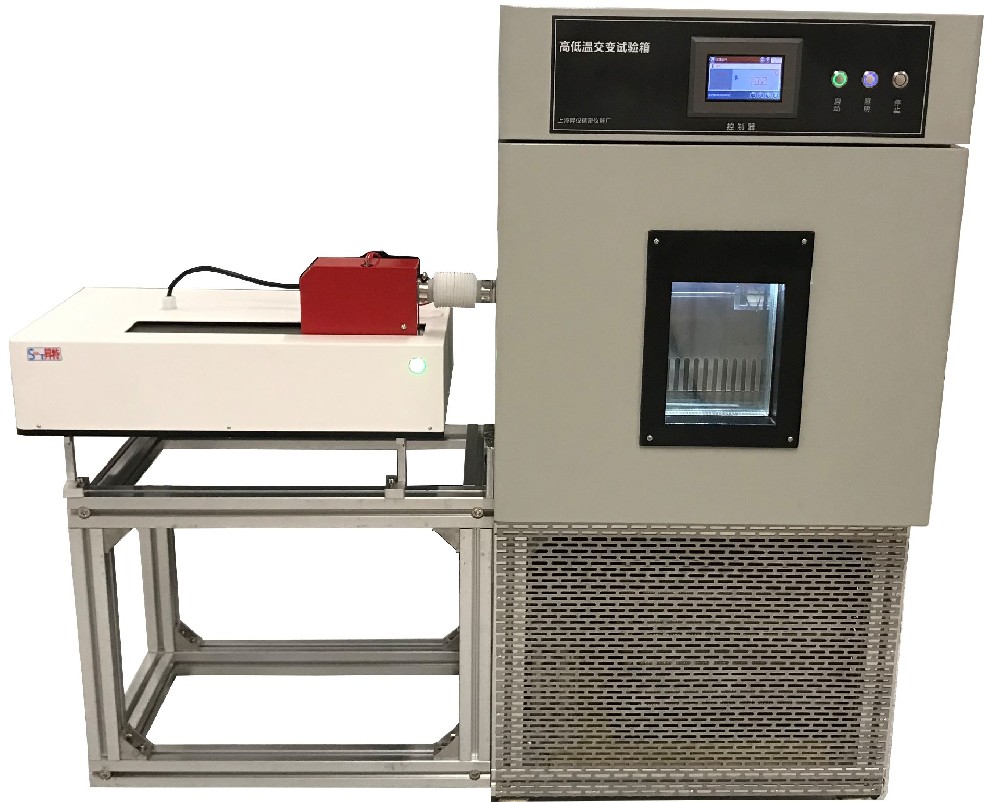

Research in the field of flexible electronics, especially in strategic emerging areas such as smart fabrics, flexible materials, flexible sensors, wearable devices, human-computer interaction, and health care, holds great promise. In the realm of human-computer interaction, flexible wearable electronic systems and flexible pressure-sensitive electronic skins offer endless possibilities for achieving a high degree of integration and interaction between humans, machines, and objects. Developing sensors with high sensitivity, wide operating range, and good linearity, integrating multifunctional wearable devices that combine mechanical, sensing, and mechanical properties, and creating fibers, yarns, and textiles with breathability and wearable comfort are future directions for development. Wearable devices, used for medical monitoring, treatment, care, and protection, carry significant research importance and high market value. The integration of electronic technology with flexible materials such as textiles can maintain excellent flexibility, comfort, long service life, environmental stability, and mechanical robustness. This helps promote the development of health assessment and disease technology towards intelligence, remote control, efficiency, and precision. It provides new ideas for enhancing the efficiency and quality of medical information transmission and processing, and promotes the development of transformative medical technologies such as telemedicine, "unmanned" medicine, and smart medicine. Smart fabrics endow traditional fabrics with intelligence by integrating them with IT technology. Smart fabrics can sense environmental stimuli and respond accordingly (mechanically, chemically, electrically, electromagnetically, or otherwise), and are applied in flexible strain sensors, flexible fiber strain sensors, flexible piezoelectric/piezoresistive sensors, flexible pressure-sensitive electronic skins, and flexible tactile sensors. They have promising prospects for human motion monitoring, health monitoring, pulse monitoring, smart homes, and multifunctional applications. For example, smart electronic clothing can achieve real-time monitoring of body tremors, pulse, breathing, gestures, and human motion posture, and is applied to elderly people with chronic diseases or living alone for monitoring body changes and movement. To ensure the normal use of flexible electronics, it is essential to have a detailed understanding of the electrical properties of flexible materials when they are applied in circuits. This is because the electrical signals of flexible materials change after deformation, and the degree of deformation affects the changes in electrical signals.
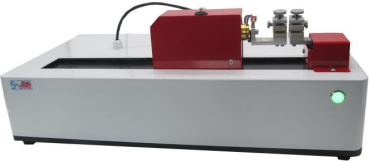
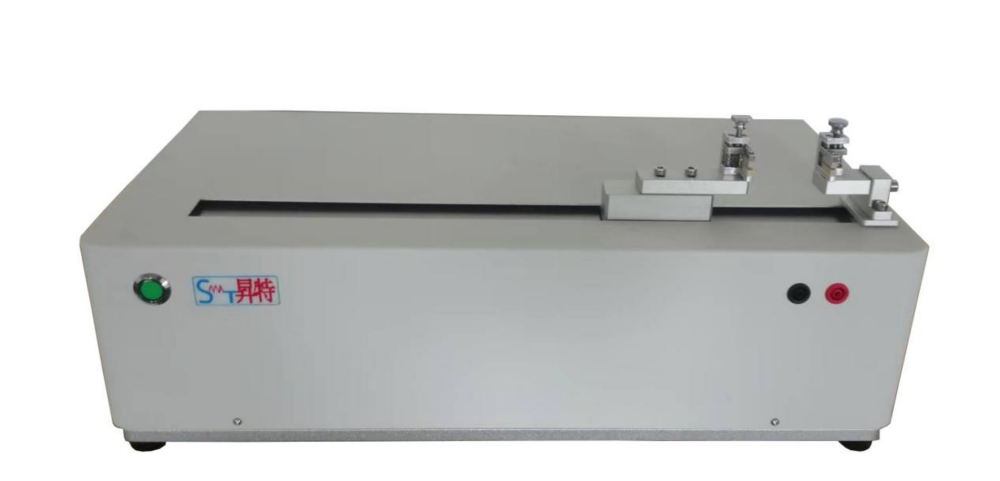
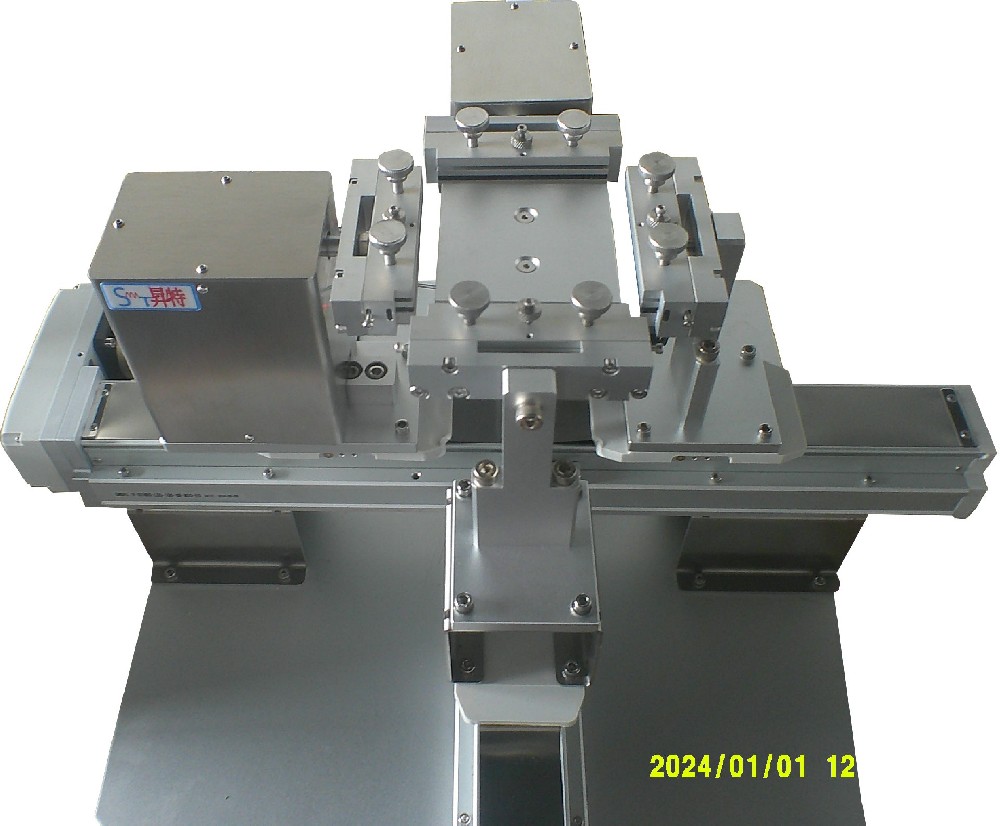
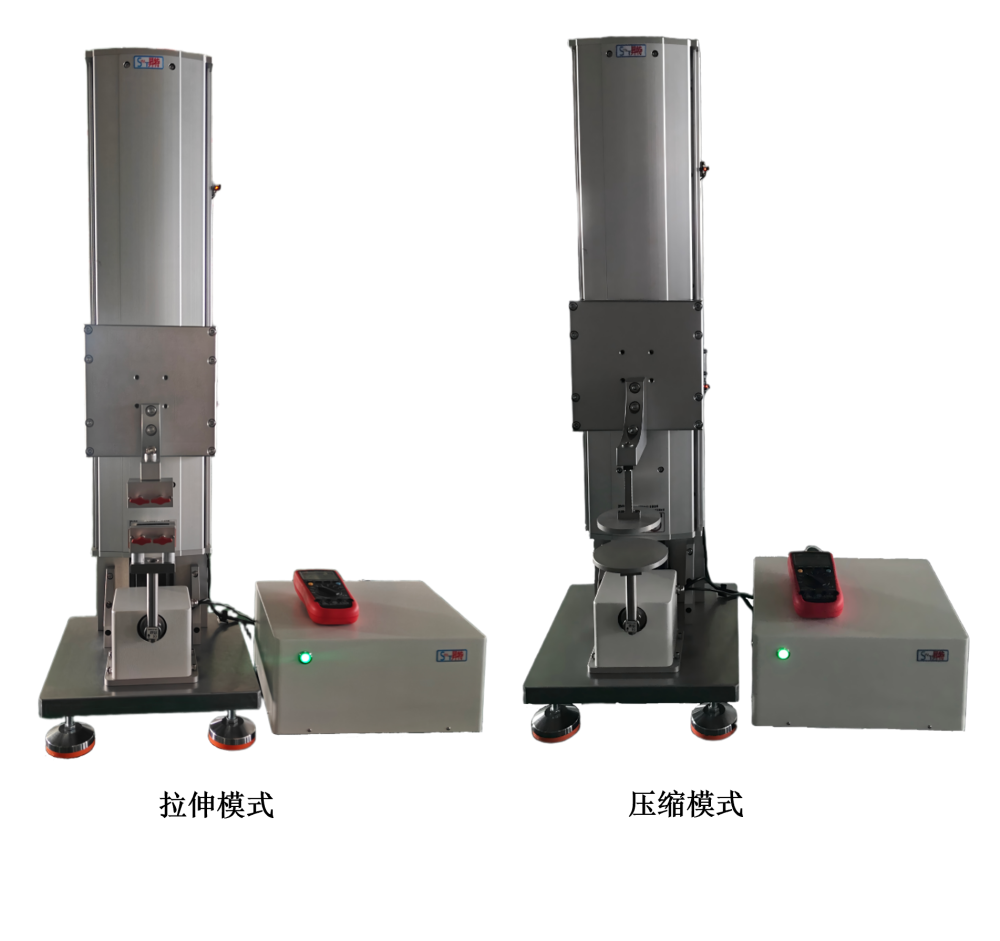
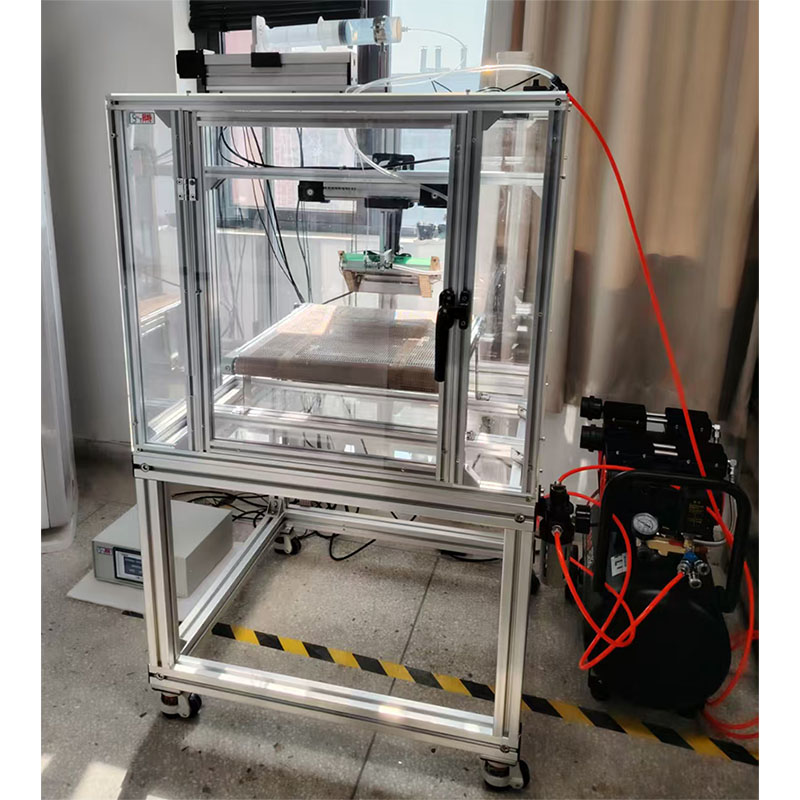
The emergence of flexible electronics has provided a new direction for the development of classical electronics, triggered the emergence of new forms of electronic devices, and offered an opportunity for the transformation from traditional fabrics to smart fabrics. However, as electronic materials and devices transition from rigid to flexible, traditional rigid testing methods become inadequate. A corresponding smart textile stress-strain and electrical synchronous testing system has become crucial for advancing the development of the flexible electronics industry. The multi-modal testing system for flexible electronics (materials and devices)/comprehensive physical property tester for flexible electronic materials developed by Suzhou Shengte Intelligent Technology Co., Ltd. provides a comprehensive platform for testing the physical properties of flexible electronic materials.