
Specifically, the force acting on the molecules at the surface of a liquid is different from the force acting on those in the bulk. The force acting on molecules in the bulk is symmetric and balanced. However, molecules at the surface are attracted by the molecules in the bulk without a counterbalancing force. This means they experience a force pulling them into the bulk. In other words, this force tends to minimize the surface area, driving this unbalanced state toward equilibrium. In thermodynamic terms, to minimize the surface energy of this system, this force is called "surface tension," which is also the free energy per unit area (J/m²), representing the minimum energy required to form or expand a unit area of the interface. Its value is numerically equal to the surface tension (N/m). By convention, surface tension is commonly used to represent surface free energy, which plays a crucial role in the physicochemical phenomena of liquid surfaces. In daily life, dew drops on lotus leaves in the morning and the curved water surface in a cup are all examples of surface tension phenomena.
Platinum Plate Method
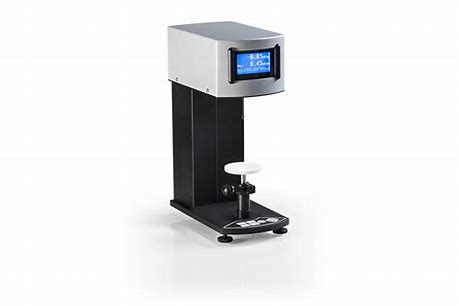
When the sensing platinum plate is immersed into the liquid being tested, it is subjected to the force of surface tension, which pulls the platinum plate downward as much as possible. When the surface tension of the liquid and other related forces reach equilibrium with the balancing force, the sensing platinum plate stops immersing into the liquid. At this point, the instrument's balance sensor measures the immersion depth and converts it into the surface tension value of the liquid.
Specifically, the testing steps for the platinum plate method are:
(1) Immerse the platinum plate in the liquid;
(2) In the immersed state, the balance value is sensed by the sensor;
(3) Convert the sensed equilibrium value into a surface tension value and display it.
Second, regarding the testing process:
1. When the platinum plate or glass dish is not clean, the measured values will have errors and poor reproducibility, with values fluctuating, continuously increasing, or continuously decreasing; therefore, every effort should be made to keep them clean. For example, during water testing, if the user lightly touches the water with a finger, the instrument will immediately display a smaller, changed tension value. This is because human hands have oil, which alters the surface properties of the water.
2. This instrument has already applied a certain correction for density. If you need to ensure higher accuracy of the test results, please refer to the correction table in the appendix for further adjustment.
3. To meet the test accuracy requirements, all platinum plates of our company are specially customized with a special surface roughness treatment. Therefore, scratches and wear on the surface of the platinum plate should be avoided. Our company shall not be held responsible if the user replaces the plate themselves and is unable to obtain accurate measurements.
4. According to the principles of physics and chemistry, the natural conditions that actually affect the measured values during the testing process are (1) temperature; (2) atmospheric pressure.
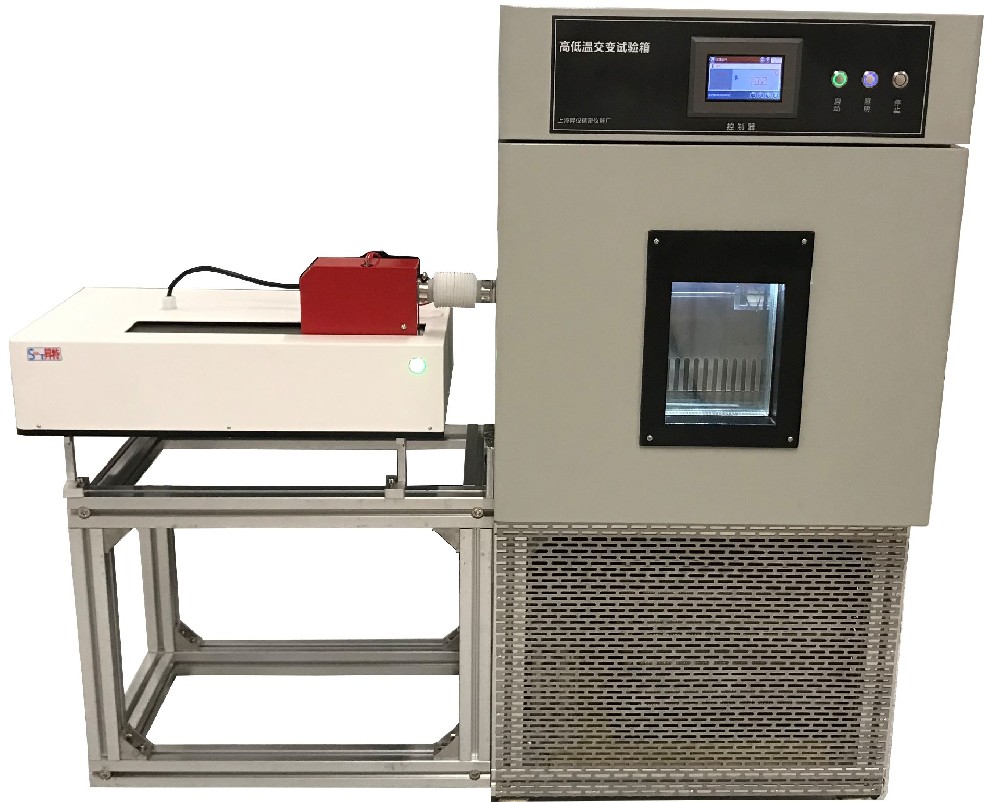
5. Generally speaking, the surface tension of a liquid decreases as the temperature rises. Therefore, if you are concerned about this change, we recommend purchasing a constant temperature bath produced by our factory with a temperature control accuracy of 0.1°C and a cooling function, as well as a sample constant temperature pool that can maintain the temperature of the test sample.
6. When measuring highly volatile liquids, the testing process should be accelerated. Highly volatile liquids tend to stick to the platinum plate during measurement. Please clean the platinum plate thoroughly before conducting repeatability tests.
7. During measurement, if evaporation occurs, the surface tension value will increase over time.
8. Although the amount of the liquid being tested in the glass vessel does not affect the accuracy of the measurement, for safety precautions, please ensure the liquid has a height of 5mm, which is about 15ml.
9. When adding surfactants to observe changes in surface tension, please ensure that the surfactant does not touch the platinum plate.
10. During the measurement process, the rising or falling of the sample stage will affect the surface tension value, decreasing when rising and increasing when falling. Both are manifestations of error.
The above is the content regarding the testing principle of the surface tensiometer, for your reference.