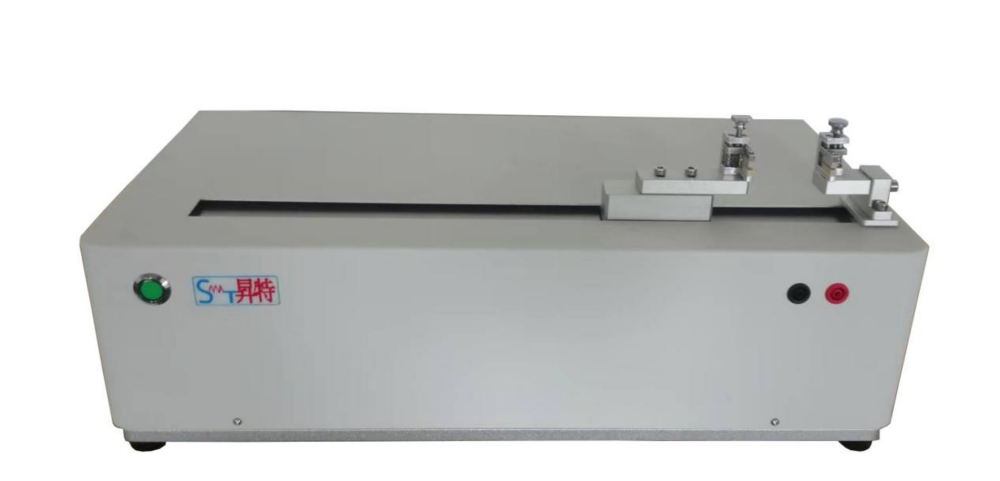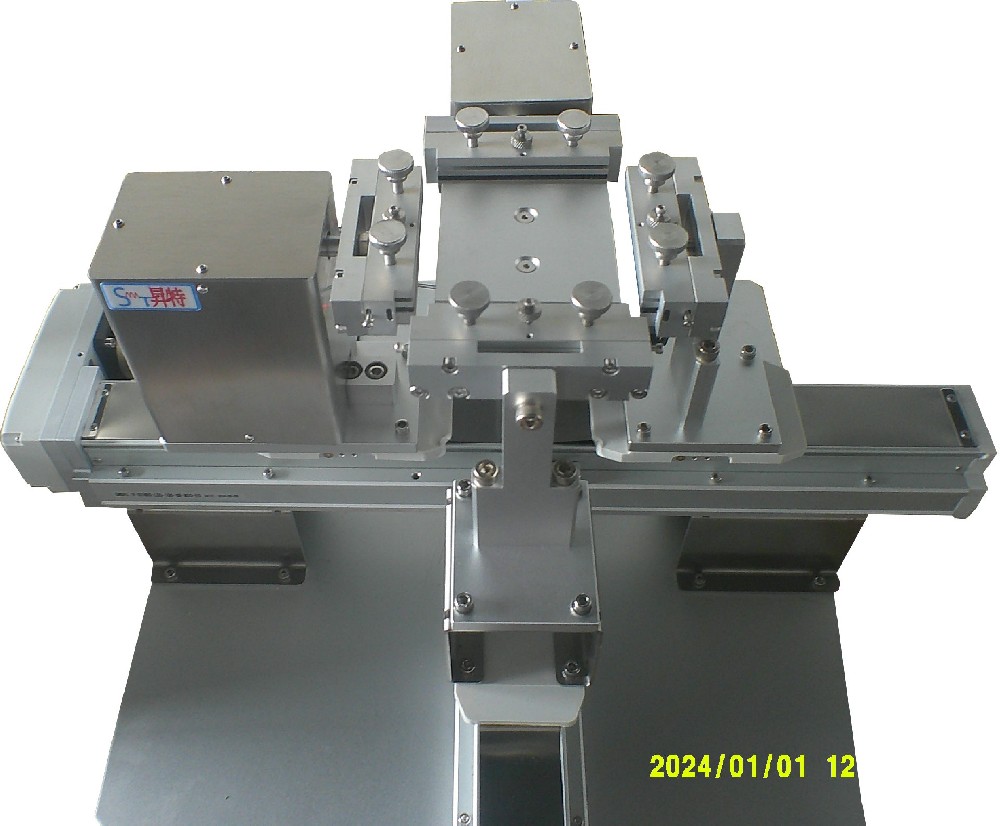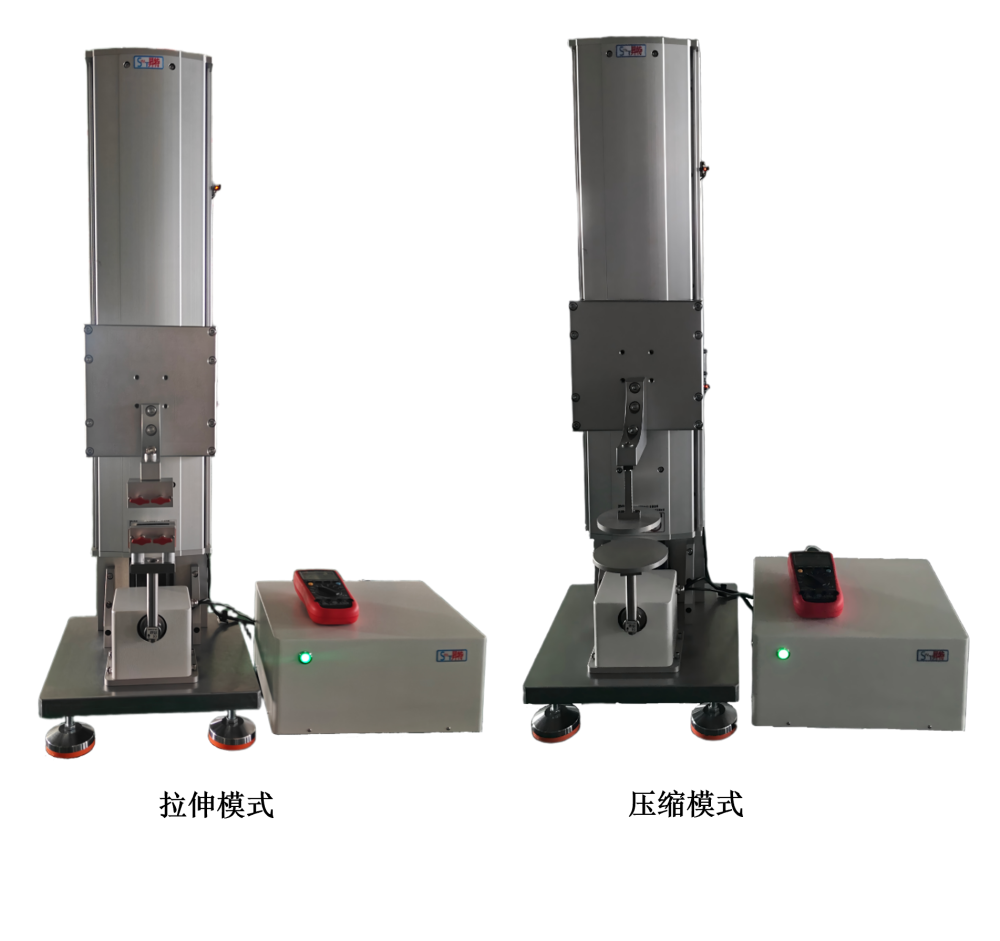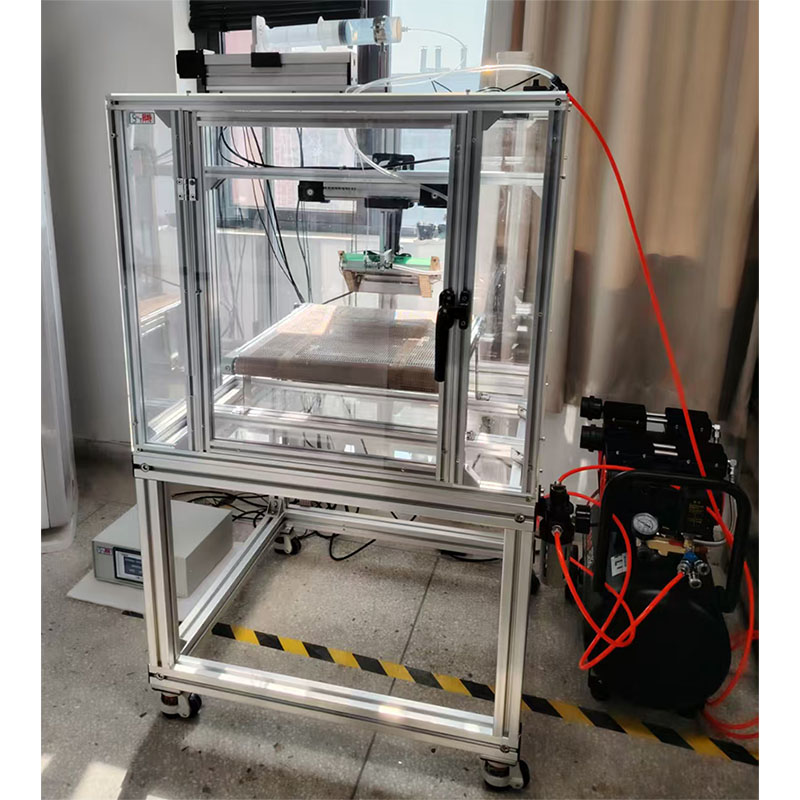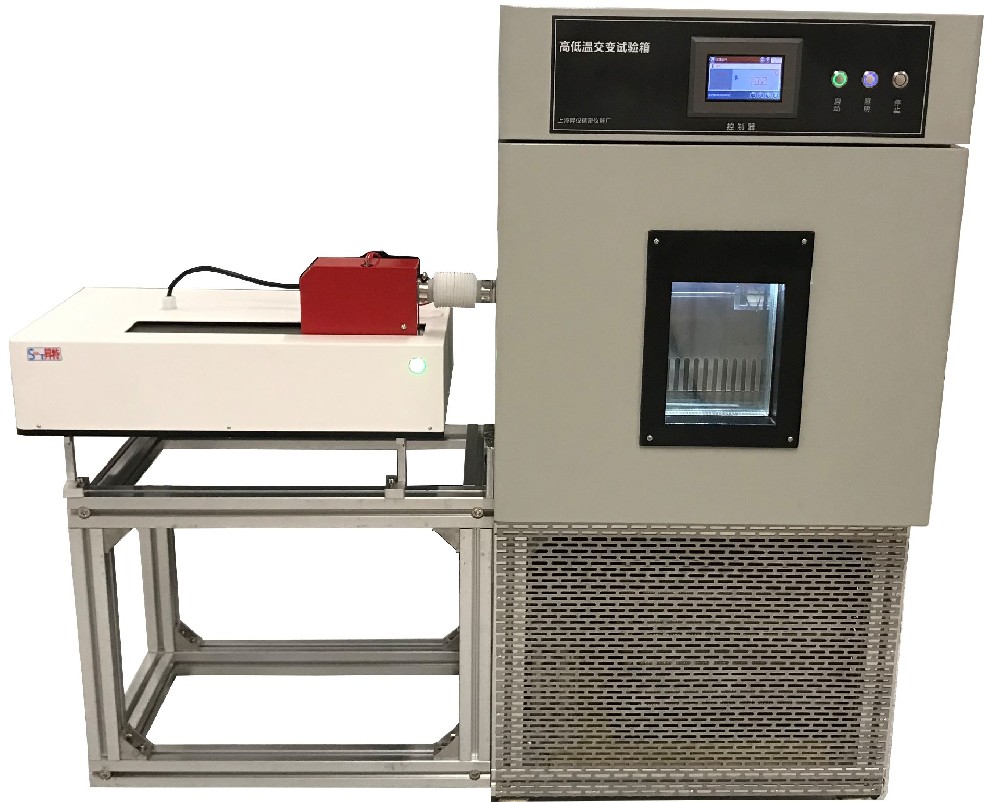

Flexible electronics testing instruments are testing devices used to detect the performance of various devices and materials under stretching and bending conditions. They are suitable for flexible materials such as printed electrodes, conductive polymers, graphene, liquid metals, and hydrogels, as well as flexible electronic devices such as sensors, capacitors, batteries, OLEDs, and electronic skins. So, what are the uses of flexible electronics testing instruments? What are their features? Let me introduce them to you below.
I. Uses of Flexible Electronics Testing Instruments
1. It can test and analyze the electrical characteristics of various materials and flexible devices under bending and stretching states.
2. Test the performance of the device under deformations such as stretching and bending. This helps determine the actual condition of the device and whether any issues exist.
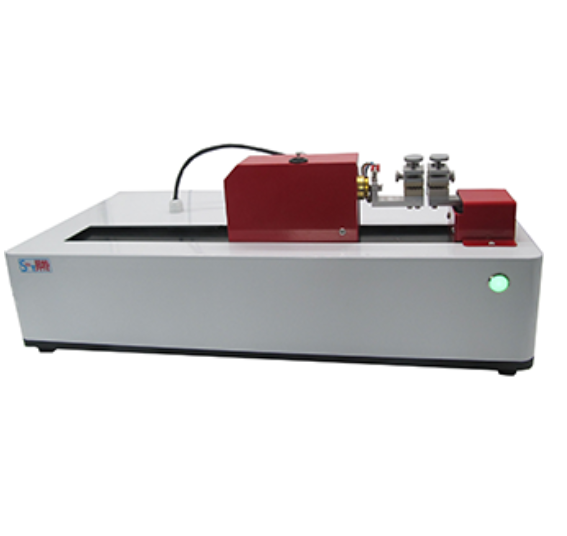
II. Characteristics of Flexible Electronics Testing Instruments
1. In addition to high-precision motion, it features a high-precision data acquisition module with professional data reading and storage, and built-in algorithms for integrated detection, recording, and analysis.
2. Convenient data export, supporting various formats, so you no longer need to worry about data format issues.
3. Focused on flexible electronics, it may not have many features, but they are all practical.
The above is an analysis of the "uses and features of flexible electronics testing instruments". Please feel free to contact us if you have any questions.