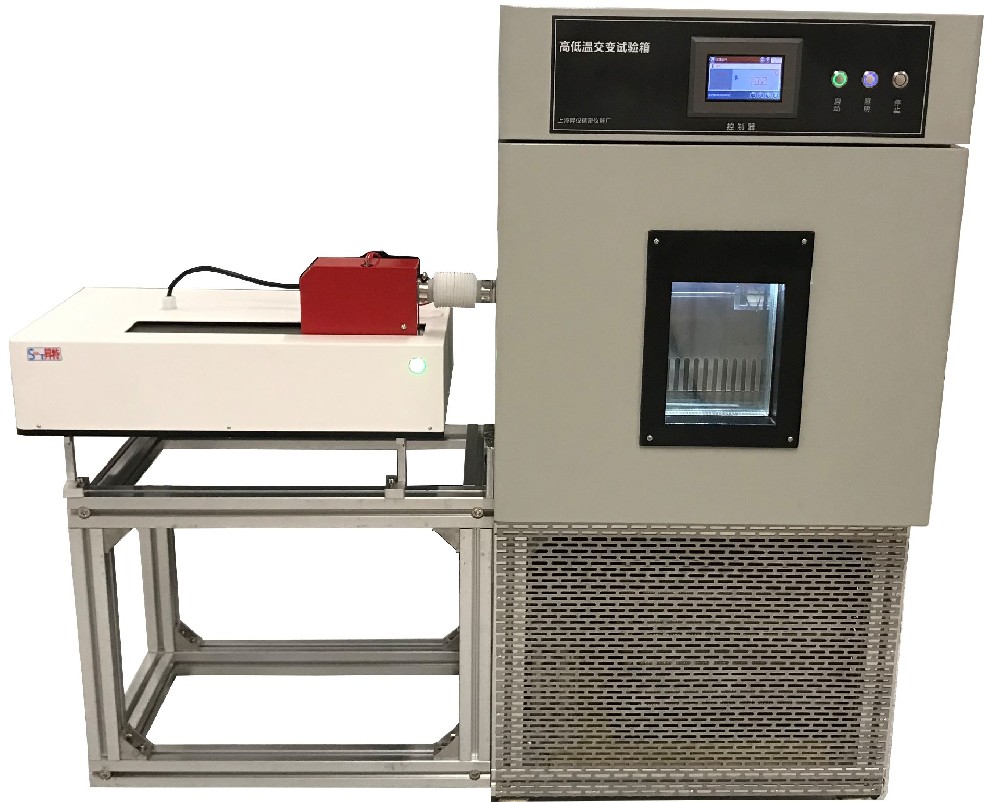

The advantage of dynamic resistance testing equipment is that it provides users with a completely new method for testing the mechanical characteristics of circuit breakers, and can complete the measurement of the circuit breaker's loop resistance. Next, let us introduce the advantages and functions of dynamic resistance testing equipment.
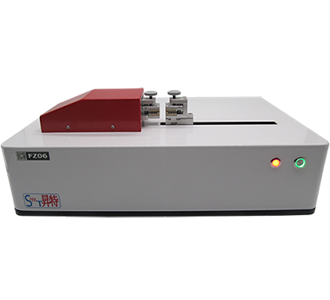
1. Advantages of dynamic resistance testing equipment
1. The integrated vibration testing function of the analyzer provides users with a brand-new method for detecting the mechanical characteristics of circuit breakers. Compared to traditional time and speed measurements, vibration fingerprint detection is simpler and more effective.
2. The fingerprint test results contain more comprehensive circuit breaker information, enabling rapid localization of fault causes for circuit breakers with potential risks or existing faults.
3. The circuit breaker vibration test does not require changing the original wiring connections, thus allowing for live testing of the circuit breaker's mechanical characteristics.
4. The arc-extinguishing contact analysis module enables users to automatically evaluate the wear degree of the internal arc contacts without disassembling the circuit breaker.
5. The standalone instrument can complete the measurement of circuit breaker loop resistance, eliminating the need for users to purchase a separate loop resistance tester, thereby reducing the weight of field testing equipment and saving user costs.
II. Functions of the dynamic resistance testing equipment
1. Detection of circuit breaker parameters such as closing time, opening time, maximum time non-synchronization, and bouncing.
2. Testing of parameters such as closing speed, opening speed, and average speed of the circuit breaker.
3. Detection of parameters such as circuit breaker opening distance, overtravel, overshoot, and total stroke.
4. Detection of the current curves and maximum current values of the circuit breaker closing and opening coils.
5. Detection of the circuit breaker's stroke-time curve, velocity-time curve, and acceleration-time curve.
6. Detection of the closing resistor value and its engagement time.
7. Measurement of the circuit breaker loop resistance.
8. Circuit breaker arc-extinguishing contact transition time and contact length measurement.
9. Dynamic resistance curve measurement of circuit breaker contacts.
10. Circuit breaker vibration test, including vibration fingerprint curve acquisition, management, and automatic comparison of vibration fingerprint curves.
The above introduces the advantages and functions of the dynamic resistance testing equipment. We hope today's summary is helpful to you. If you have any questions, please leave a message at the bottom of the website for consultation.